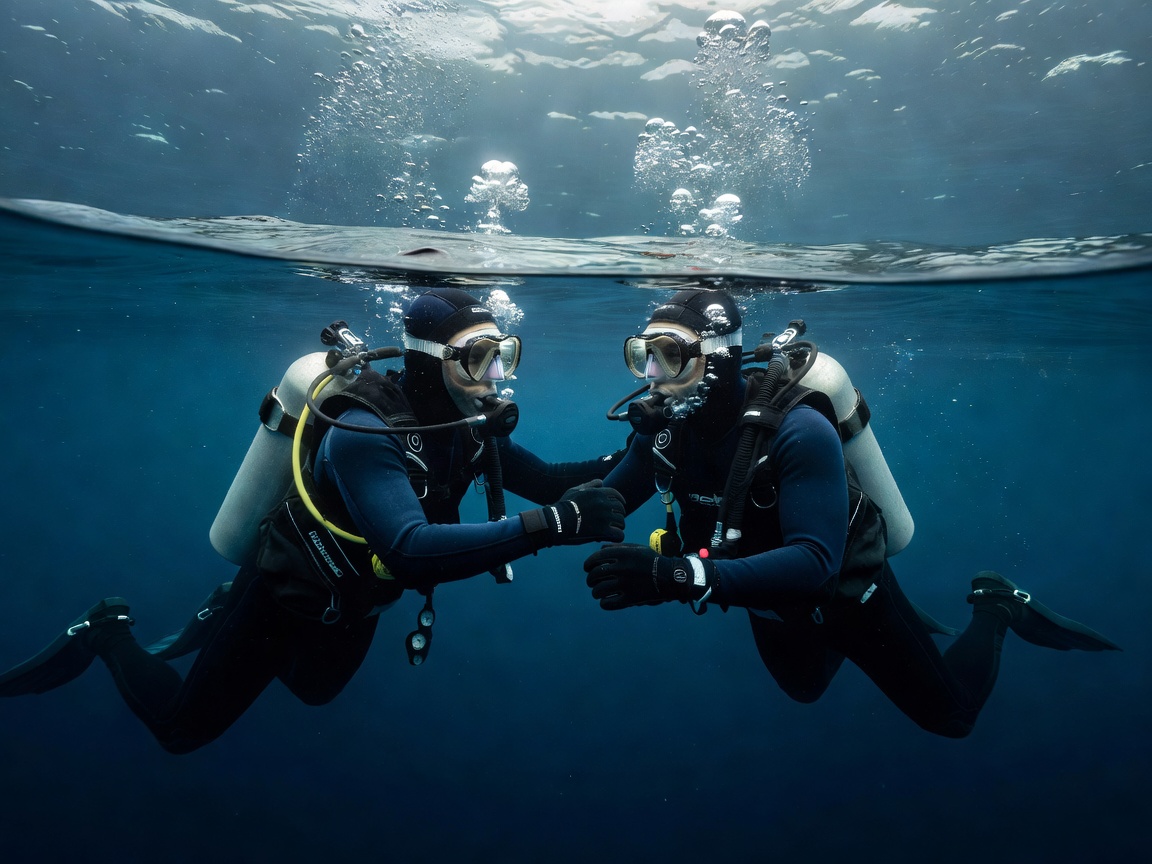
The ocean is aggressively indifferent to your presence. Spearfishing combines the physical stress of breath-hold diving with the mechanical hazards of loaded weapons, tethered lines, and fighting fish, all in an environment where humans are ill-equipped to survive. Mitigating these risks is not optional; it is the absolute foundation of the sport.
Shallow Water Blackout (SWB)
The greatest threat to a freediver is Shallow Water Blackout. It is a silent, painless loss of consciousness caused by cerebral hypoxia (lack of oxygen to the brain) occurring near the surface upon ascent. It kills experienced divers faster than novices because veterans push their limits further.
The urge to breathe is triggered not by a lack of oxygen, but by a buildup of carbon dioxide (CO2). If a diver hyperventilates before descending (breathing rapidly and deeply to "pack" air), they artificially purge CO2 from their bloodstream. While submerged, oxygen is consumed, but because the CO2 started artificially low, the body’s "alarm bell" to breathe is delayed. The oxygen level drops below the threshold required to maintain consciousness before the diver feels the urge to breathe. As they ascend, ambient pressure decreases, the partial pressure of oxygen in their lungs plummets, and they blackout in the final 15 feet of the water column.
The Dive Buddy System: One Up, One Down
If SWB occurs, the diver’s airway is completely unprotected. Without intervention, they will inhale water and drown within minutes. The only defense against SWB fatality is a competent dive buddy.
The protocol is strict: One diver is up, one diver is down.
- The surface diver acts as the safety. They watch the descending diver for the entirety of the dive.
- They prepare to meet the ascending diver at a depth of 10 to 15 feet—the danger zone for SWB—ready to support them to the surface if their eyes roll back or they drop their weight belt.
- The surface diver must remain at the surface. They do not retrieve dropped gear or investigate fish until the first diver has broken the surface, taken three full recovery breaths, and signaled they are okay.
Entanglement Risks and Knife Access
Shooting a powerful fish tethers you to a chaotic, thrashing animal via a highly resilient synthetic line. If that line wraps around your wrist, leg, or weight belt, a sounding fish can easily drag a diver back into the depths. This hazard is compounded when hunting around heavy structure, oil rigs, or thick kelp forests where the shooting line can snag.
Every spearfisher must carry a dedicated dive knife. This tool is not a weapon; it is an emergency rescue device for cutting yourself out of entanglements. It must be mounted where it can be reached by either hand instantaneously—commonly on the inside of the calf or mounted directly on the weight belt. Serrated blades are vastly superior for slicing rapidly through thick Dyneema or monofilament line.
Environmental Hazards: Tides, Currents, and Weather
A hunter must study the marine forecast prior to any expedition. Tides heavily dictate water clarity and current speed. A mild surface current can mask a ripping undertow that makes returning to a boat or shore impossible without discarding the weight belt.
Divers should establish a firm abort parameter. If visibility drops below the effective range of the speargun, if boat traffic becomes unpredictable, or if signs of fatigue (chills, muscle cramps, lethargy) set in, the dive is over. Ignoring the early warning signs of exhaustion in open water leads to compounding errors, and in spearfishing, the margin for error is razor-thin.