A speargun is useless without the fieldcraft required to put yourself within striking distance of the target. Fish behave drastically differently depending on their environment. A tactic that works seamlessly in a shallow rock reef will fail entirely in the open ocean. Understanding marine habitats and adapting your ambush strategy to the terrain is what separates successful hunters from sightseers.
Reef and Hole Hunting
Coastal rocky reefs and coral structures are high-density ecosystems. They offer an abundance of prey but are heavily contoured, providing fish with infinite escape routes. In these environments, stealth is paramount.
The primary technique is the aspero or ambush dive. The hunter descends quietly to the bottom, utilizes the natural structure for cover, and remains motionless. By breaking up your silhouette against the reef and minimizing eye movement, the natural curiosity of territorial reef species will often bring them into range. "Hole hunting" requires looking directly into caverns and ledges. This demands shorter spearguns (60cm to 90cm) equipped with durable shafts, as the spear will inevitably strike the rock wall after passing through the fish.
Kelp Forest Tactics
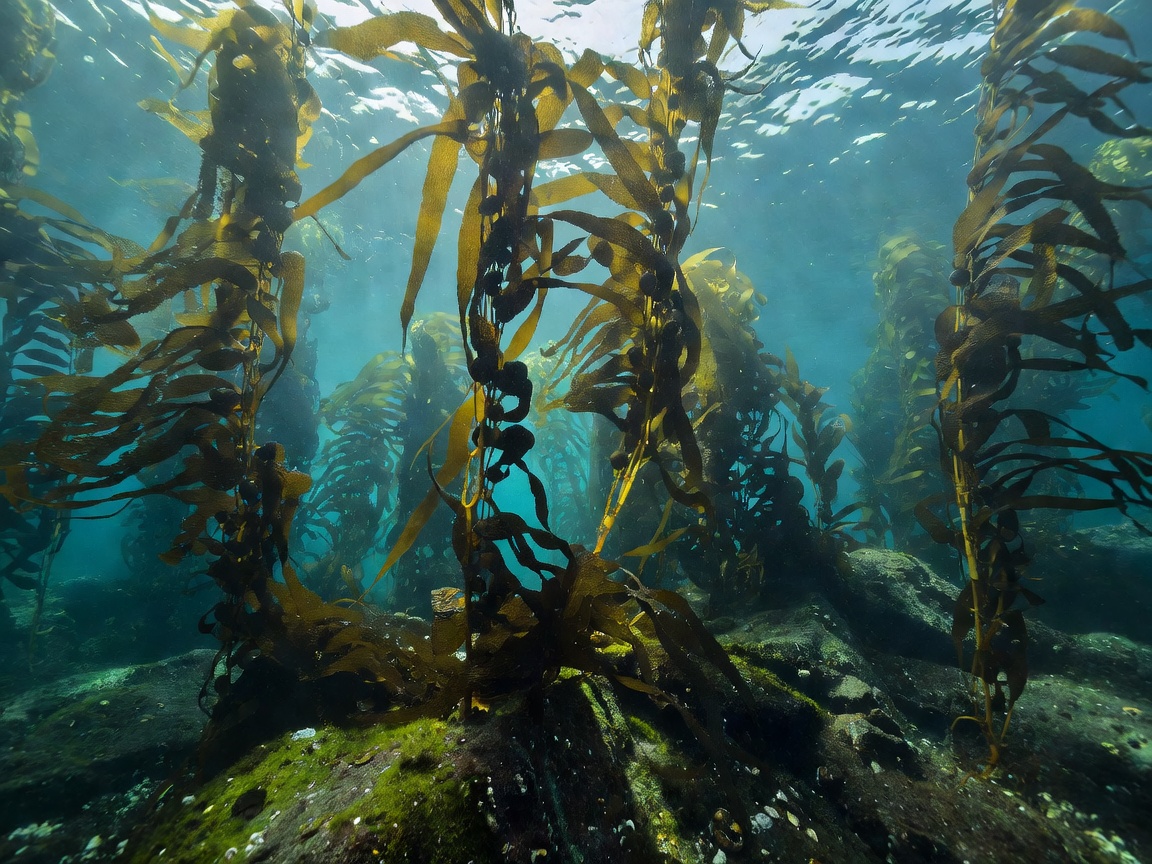
Thick canopies of giant kelp present a unique, vertical hunting environment. The vegetation stretches from the seabed to the surface, creating a dimly lit, three-dimensional maze. This habitat demands meticulous line management, as entanglement is a constant threat.
Divers often utilize a "drop-down" strategy. Instead of hovering on the surface and spooking fish sheltering in the fronds, the diver will quietly descend down a single kelp stalk, pausing at various depths to peer horizontally through the columns. Fish in these environments rely heavily on camouflage. Hunters must train their eyes to look for anomalous shapes—the silver flash of an operculum or the rigid line of a tail fin—rather than expecting a full broadside profile.
Blue Water Hunting
Leaving the structure behind and drifting in the open ocean requires a paradigm shift. There is no bottom to hide against, no cover to utilize, and the fish you are targeting are fast, nomadic pelagics. In the endless blue void, depth perception becomes distorted.
Blue water tactics rely on attraction rather than ambush. Hunters utilize flashers—mirrored arrays of metal or plastic suspended from a float—to simulate the chaotic flashing of a wounded bait ball. The diver waits at depth near the flasher. Because pelagic species are powerful and can easily strip the line from a standard gun reel, hunters employ a "breakaway" system. The shooting line is detached from the gun upon firing and tethered directly to a sequence of bungee cords and pressurized surface floats, allowing the fish to fight the buoy rather than dragging the diver underwater.
Shore Diving Considerations
Executing a dive directly from the beach introduces surf zone dynamics. Navigating breaking waves with long fins, a weight belt, and a speargun requires timing and physical fortitude. The key is analyzing the set intervals, moving rapidly through the impact zone, and only loading the speargun once you are well beyond the breaking waves.
Shore divers must also plan their exit strategy carefully. A diver exhausted from hours in the water must still negotiate the surf zone while managing a float, a stringer of fish, and unpredictable currents. Tides dictate success here; diving on a slack high tide typically offers the best visibility and the easiest entry and exit conditions over shallow near-shore structures.