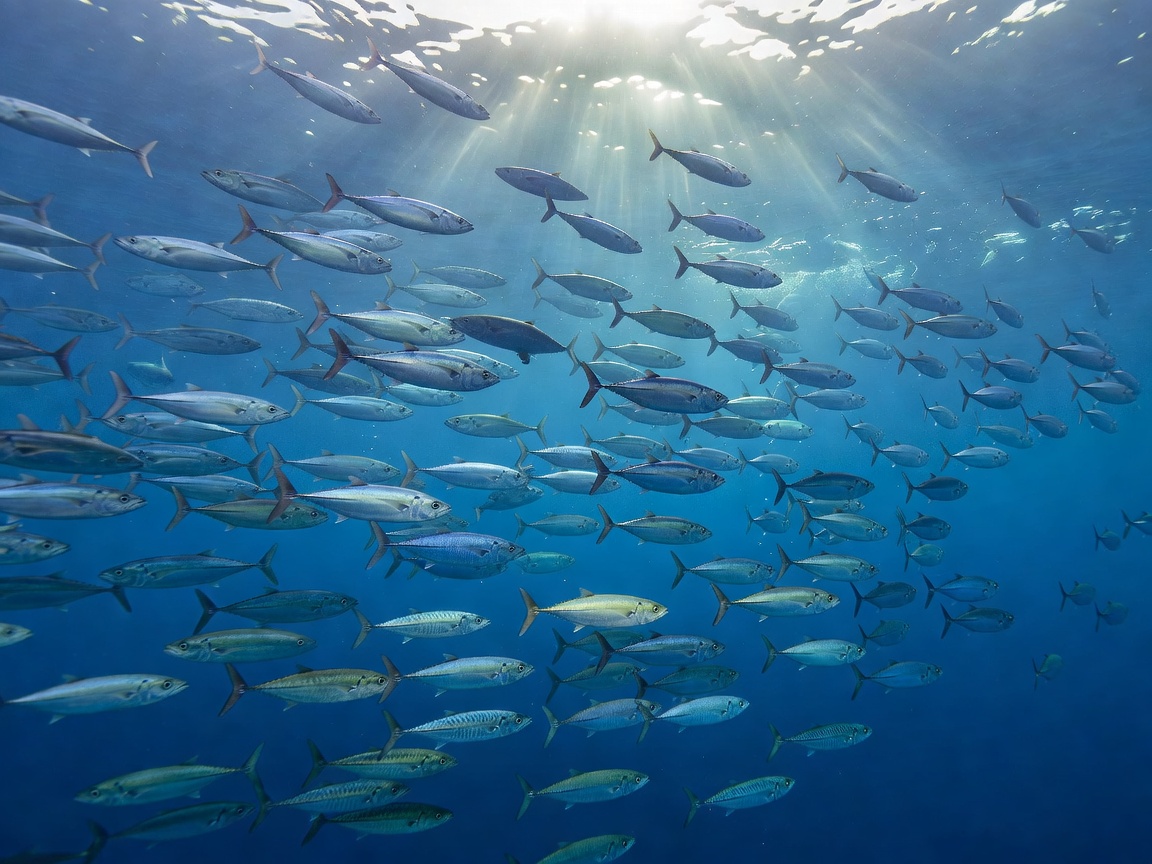
When executed correctly, spearfishing is the most ethical and sustainable method of harvesting seafood on the planet. There is zero bycatch, no habitat destruction from dragging nets, and no lost monofilament line left to entangle marine life. However, this high level of selectivity places a massive burden of responsibility on the diver. The decision to pull the trigger is absolute and cannot be undone.
The Ethics of Selectivity
Unlike rod-and-reel fishing, where undersized or out-of-season catches can theoretically be released (though often with a high mortality rate due to barotrauma or hook injury), spearfishing allows you to visually identify the exact species, size, and gender of a fish before you engage. A responsible hunter operates under the rule of absolute certainty. If a fish is silhouetted, partially obscured by structure, or moving too erratically to guarantee identification, the shot is not taken.
Size Limits and Breeding Ecology
Adhering to local size limits is the bare minimum legal requirement, but ethical hunters look beyond the regulations to understand breeding ecology. Harvesting juvenile fish prevents them from reaching reproductive age, crippling future populations. Conversely, targeting the absolute largest apex breeders of certain reef species can also be damaging, as these "mega-spawners" contribute exponentially more to the gene pool than smaller adults.
The goal is to target middle-tier adult fish. You must train your eye to estimate length underwater. Due to the refraction of light through your mask, objects appear approximately 25% larger and closer than they actually are. Practicing size estimation on harmless marine debris or submerged structures before aiming at a fish is a necessary calibration for the hunter's eye.
Shot Placement and Ethical Kills
Sustainability also applies to the animal's suffering and the prevention of wasted resources. Taking a shot that merely injures a fish, allowing it to tear off the spear and die in a hole, is a failure of the hunter. The ethical objective is the "stone shot"—a direct hit to the brain or upper spine that instantly dispatches the fish, preventing suffering and eliminating the struggle that can attract predators.
- Brain Shot: The optimal target is slightly behind the eye and above the gill plate, angling slightly downward. A successful hit here shuts down the central nervous system instantly.
- Center Mass: If a brain shot is not viable due to the angle, targeting the thickest part of the shoulder (directly behind the gill plate) ensures the flopper engages deeply into solid muscle, securing the fish until it can be manually dispatched at the surface.
- Avoid the Tail/Gut: Shots placed too far back hit soft tissue. The fish will leverage its strength to tear the flesh and escape.
Ecosystem Awareness and Apex Predators
Operating in the ocean means inserting yourself into an active food web. Spearing a fish sends out low-frequency vibrations and releases blood into the water—an immediate dinner bell for sharks, barracuda, and seals. Sustainable harvesting requires recognizing when an environment is too highly pressured by predators. If sharks are aggressively shadowing you on a reef, the ethical choice is to unload the gun and move locations rather than engaging in a tug-of-war that ends with a wasted fish and a habituated predator.
Take Only What You Eat
The final tenet of sustainable spearfishing is strict utilization. The ocean is not a grocery store of infinite supply. The discipline requires that you only harvest what you and your immediate community can consume while fresh. Trophy hunting for social media, leaving fish to freezer-burn, or high-grading (shooting a larger fish and discarding a smaller one) violates the core ethos of the sport.